
Most landlords guess at their property expenses instead of planning for them. You set a rent amount, hope it covers everything, and cross your fingers. Then a major repair hits, a tenant moves out unexpectedly, or property taxes increase. Suddenly your cash flow disappears. A real property management budget prevents this chaos. It forces you to see exactly where your money goes and what reserves you actually need. You can also determine whether your rent is truly profitable. If you own rental property in the New Orleans area, professional property management can help you build and maintain this budget, but the framework starts with you.
Identify All Your Operating Expenses
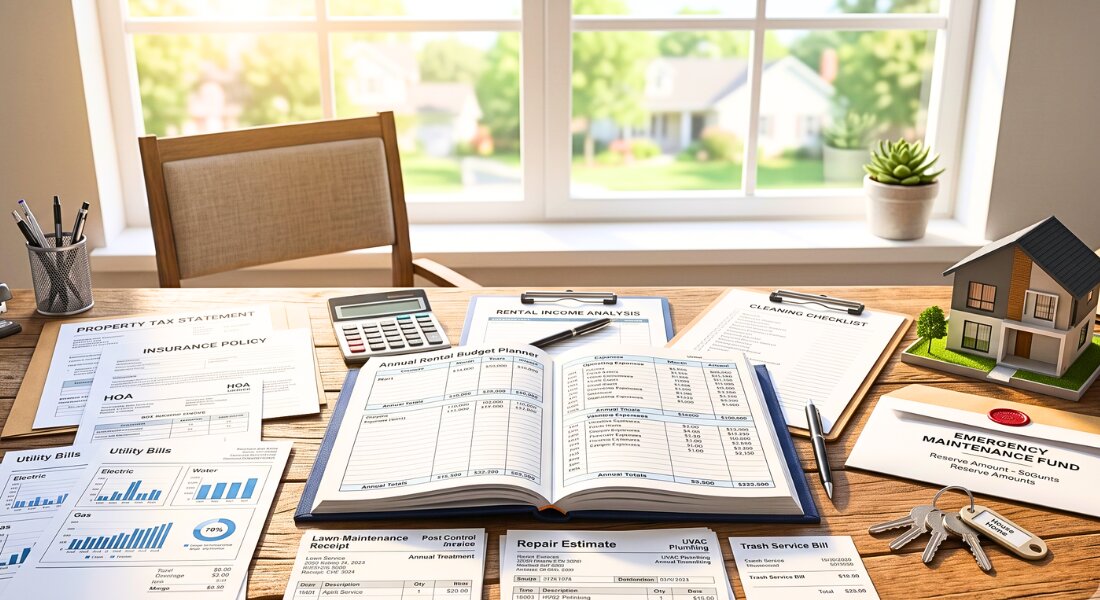
Write down every cost your property will generate. Start with the obvious ones: property taxes, insurance, utilities if you cover them, and lawn maintenance. Then add the ones people forget: HOA fees, pest control, cleaning between tenants, storm cleanup, and trash service. Set aside money for repairs that happen unpredictably. A water heater lasts ten years on average, but it could fail in year three. A rental analysis done by professionals will often reveal expenses you had not considered.
Property management fees themselves belong in this list. Whether you self-manage or hire a company, there is a real cost involved. Self-managing means spending your time on tenant screening software, accounting tools, and rent collection. You also carry the risk of legal missteps. Professional management typically costs eight to twelve percent of rent in Louisiana, depending on the services included.
Calculate Your Reserve Fund
A reserve fund is money you set aside before you see any profit. It covers unexpected expenses so you do not raid your personal savings when something breaks. Going into debt over a repair is avoidable with the right reserve in place. Most experienced landlords keep one to three months of operating expenses in reserve.
The size of your reserve depends on the property’s age and condition. A newer home in good shape might justify a smaller reserve. An older property or one in high-wear areas will need more cushion. Bad timing happens: a furnace dies, a tenant breaks a lease early, and a vacancy stretches longer than expected. Your reserve absorbs the hit.
About the Author: Billy Borrouso is a licensed real estate broker, Certified Residential Specialist (CRS), and licensed contractor with over 20 years of experience in the Greater New Orleans area. As the founder of Redfish Property Management, Billy brings a rare combination of real estate expertise and construction knowledge to landlords and tenants across Metairie, New Orleans, and the Northshore. He is a NOMAR Gold Award recipient and is committed to making property ownership stress-free for landlords while maintaining quality homes for tenants.
Account for Vacancy and Bad Debt
Even good properties sit empty between tenants. Assume a vacancy rate of five to ten percent annually, depending on your market and tenant quality. Collecting rent for only forty-eight weeks instead of fifty-two will affect your bottom line. Budget a loss of four to ten percent of your gross rental income.
Bad debt happens when a tenant stops paying or skips town. Set aside money for this risk too. According to the National Association of Realtors, landlords across the country experience tenant delinquency. Proper tenant screening reduces this risk but does not eliminate it. Budget conservatively at three to five percent of rent as a bad debt reserve.
When you subtract operating expenses, reserves, vacancy, and bad debt from your rent, the remaining number is your actual profit. That number tells you if the property works financially. Many landlords discover their rent is too low only after building a real budget. Use this tool to make smart decisions about your property before problems force you to.
Have questions about property management services across greater New Orleans, Louisiana? Reach out to us today and we’ll be happy to help you every step of the way.