
A small water stain on the ceiling, a crack in the foundation, loose grout around the shower tile. Most landlords see these minor issues and think they can wait. By the time they discover the real problem, the repair bill has quintupled. Routine property inspections catch these early warning signs before they become expensive disasters. At Redfish Property Management, we’ve seen how a single missed inspection can cost thousands in water damage. Structural repairs and tenant safety issues add to that toll. That’s why professional property management includes regular inspections as a cornerstone of asset protection.
The True Cost of Skipped Inspections
Water damage compounds fast, and a slow roof leak might drip unnoticed for weeks. By the time you spot the stain, the decking has rotted and insulation is saturated. Mold is already spreading inside the walls. Suddenly you’re looking at roof replacement, frame repair, and remediation costs that dwarf the original fix.
Mechanical systems fail silently too. HVAC units don’t announce they’re dying, they just work harder until they quit. An inspection catches the worn compressor or failing capacitor while a replacement costs a few hundred dollars. Ignore it, and you’re buying a new unit for thousands. HUD maintenance standards exist partly because deferred maintenance creates tenant safety hazards and accelerates property decline.
The tenant relationship suffers too. When landlords skip regular inspections, small maintenance requests pile up over time. Tenants stop reporting problems because nothing gets fixed. Then one day the tenant withholds rent or breaks the lease, claiming uninhabitable conditions. A routine inspection schedule prevents this breakdown.
About the Author: Billy Borrouso is a licensed real estate broker, Certified Residential Specialist (CRS), and licensed contractor with over 20 years of experience in the Greater New Orleans area. As the founder of Redfish Property Management, Billy brings a rare combination of real estate expertise and construction knowledge to landlords and tenants across Metairie, New Orleans, and the Northshore. He is a NOMAR Gold Award recipient and is committed to making property ownership stress-free for landlords while maintaining quality homes for tenants.
What a Professional Inspection Covers
A thorough inspection looks beyond what tenants report. Inspectors examine the roof for damaged shingles and flashing gaps. They check gutters and downspouts for clogs and separation. The inspector walks the foundation for new cracks or settling patterns. They test all appliances, check water pressure, and inspect under sinks for leaks. Cabinets get checked for mold or pest damage as well.
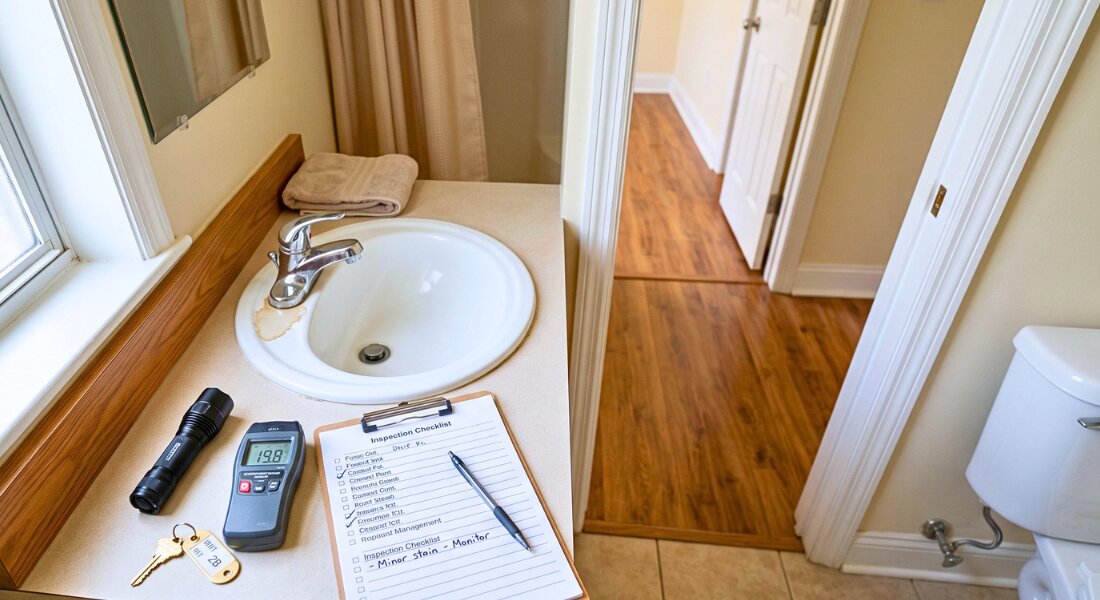
Interior walls, flooring, and doors get scrutiny too. Professional inspectors catch water stains you’d miss and test outlet functionality. They check door locks and hinges, and document the condition of paint and carpet. Inspectors also look for safety issues like exposed wiring, missing handrails, or blocked exits. When you pair quality tenant screening with regular inspections, you catch maintenance problems and tenant damage early.
Building Your Inspection Schedule
Frequency matters, and most properties benefit from inspections every six to twelve months. The right interval depends on the property’s age and overall condition. Newer homes might stretch toward annual inspections, while older properties need closer attention. Properties in humid climates like New Orleans face higher mold and moisture risks, making more frequent checks wise.
Document everything by taking photos and notes at each inspection. This record protects you in disputes and shows which systems are aging toward replacement. It also guides your maintenance budget and helps you identify patterns over time. A ceiling stain might seem random until your inspection log shows it appears after heavy rains, pointing to a specific roof section.
Have questions about property management services across greater New Orleans, Louisiana? Reach out to us today and we’ll be happy to help you every step of the way.