

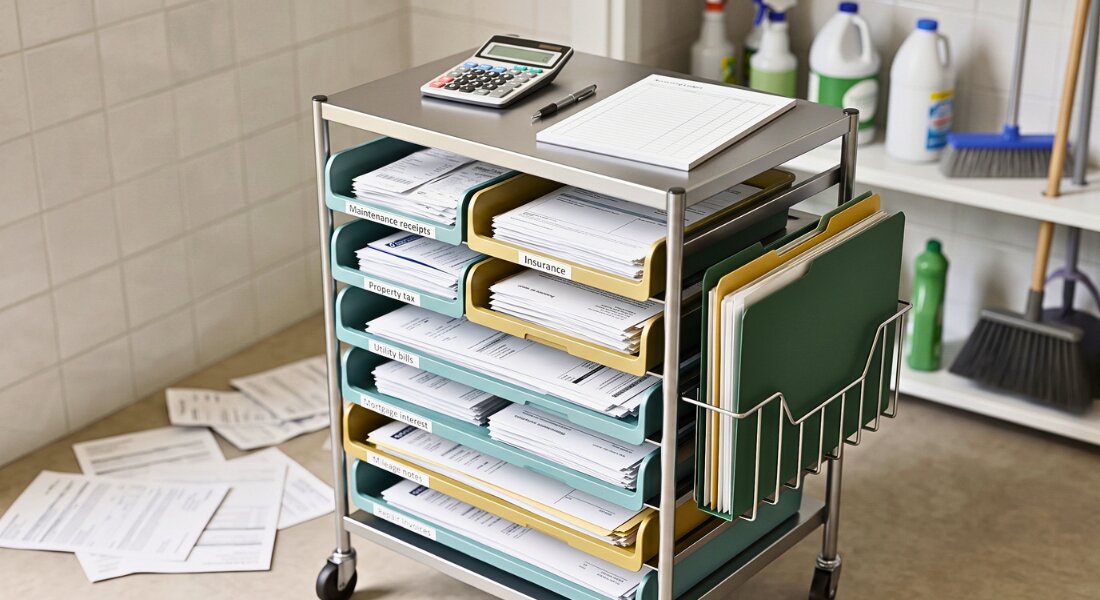
Most landlords know they can deduct rental expenses from their taxes, but many miss deductions entirely because they don’t track them properly. Without a system in place, you’ll scramble at tax time, lose receipts, and leave money on the table. If you work with a professional property management company, you gain a partner who handles this documentation systematically. Whether you self-manage or outsource, understanding what counts and how to organize it makes a real difference in your tax liability.
What Expenses You Can Actually Deduct
The IRS allows you to deduct ordinary and necessary expenses incurred in operating a rental property. Deductible costs include mortgage interest, but not principal, property taxes, insurance premiums, and utilities you pay. Maintenance and repairs qualify, as do advertising costs for finding tenants and legal fees related to your lease.
Capital improvements are different from repairs. Replacing a broken kitchen cabinet is a repair. Renovating the entire kitchen is an improvement, and it must be depreciated over time rather than deducted in one year. Getting this distinction wrong can trigger an audit. When in doubt, consult a tax professional familiar with rental property rules.
Smaller expenses add up quickly and include property management fees, HOA dues, and office supplies for tracking rent. Mileage to and from the property also qualifies, as does a portion of your internet if used for property business. Many owners overlook these costs because they seem minor individually.
Building a Tracking System That Works
A spreadsheet beats nothing, but dedicated accounting software is worth the cost. Tools like QuickBooks Self-Employed or Wave let you categorize expenses as you log them, attach receipts digitally, and generate reports at tax time. The goal is to make recording painless enough that you do it consistently, not in a panic later.
Create categories that match your tax form. The IRS Schedule E has specific line items: advertising, auto and travel, cleaning and supplies, insurance, maintenance and repairs, mortgage interest, property taxes, and utilities. Matching your records to these categories saves your accountant hours of reclassification work, which saves you money on tax prep fees.
Keep every receipt, invoice, and statement. Digital photos or PDF scans are fine. Store them by month and category. If you’re audited, the IRS wants proof that you actually spent the money. A credit card statement alone isn’t enough.
Special Deductions and Record-Keeping Pitfalls
Home office expenses trip up many landlords. If you have a dedicated space where you manage your rental properties, you can deduct a portion of your rent or mortgage, utilities, and office equipment. Use either the simple method, which is 150 dollars per square foot, or track actual expenses. Document which method you choose and stick with it.
Depreciation is a powerful tool but requires accurate property valuations and asset lists. When you buy a rental, you allocate the purchase price between the land, which doesn’t depreciate, and the building and fixtures, which do. Mistakes here can lead to significant problems years later when you sell. Have your accountant set this up correctly from the start.
One common mistake is mixing personal and business expenses. If you drive to your property and then to lunch, only the portion of the drive to the property counts. Be conservative in your estimates. The IRS understands that some mixed use happens, but flagrant overstatement invites scrutiny.
According to the National Association of Realtors, documentation is the single best defense in an audit. Treat this seriously. Even if you hire someone to manage tenant leasing and collection, you remain responsible for accurate records and tax compliance.
Have questions about property management services across greater New Orleans, Louisiana? Reach out to us today and we’ll be happy to help you every step of the way.