

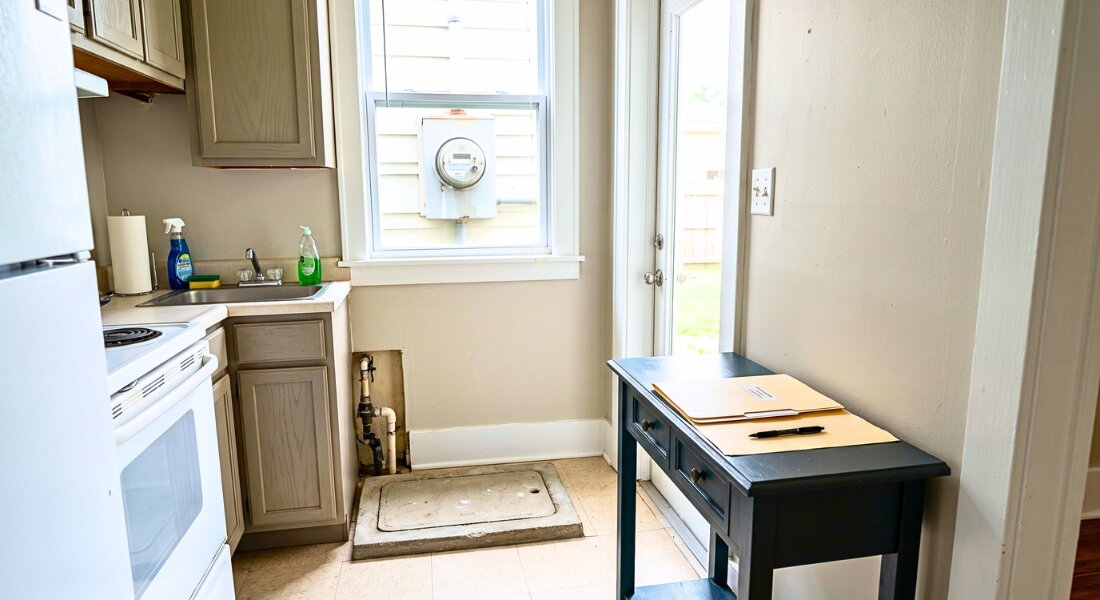
When a tenant’s water bill arrives, who opens the envelope? When the electric meter spins higher than expected, who calls the utility company? These questions seem simple until you’re standing in a dispute where both landlord and tenant point fingers. Utility billing is one of the most common sources of conflict in rental relationships, and the lease language you use now determines who pays later. At Redfish Property Management, we’ve helped property owners across greater New Orleans navigate these situations by clarifying utility responsibilities upfront. If you’re unsure how to structure utility obligations in your leases, our comprehensive property management services can guide you through every detail.
Standard Practice: Tenant Covers Most Utilities
In most residential rental markets, including New Orleans and Old Metairie, tenants pay for their own utilities. Water, sewer, electric, gas, trash collection, internet, and cable typically belong to the tenant’s monthly expenses. Tenants gain control over their consumption and are rewarded for conservation under this arrangement. It also simplifies your accounting as a property owner.
However, “standard practice” isn’t law. Your lease controls the agreement. Failing to specify who pays for each utility creates real risk when bills arrive. Some property owners mistakenly assume tenants will handle everything, only to discover mid-lease that the electric bill is their responsibility according to local custom or state law.
Utilities Landlords Typically Cover
Certain utilities fall naturally to the landlord, because structural maintenance ties directly to the property itself. If your building has a single water meter serving multiple units, you cannot fairly assign individual water bills to each tenant. You’ll collect water costs through rent and pay the bill yourself. The same applies to common-area utilities: hallway lighting, exterior fixtures, and shared laundry facilities.
Trash collection for the entire building usually stays with the landlord. Pest control is another gray area worth addressing carefully. If you contract with an exterminator for building-wide service, that’s a landlord expense. If a tenant calls for a specific pest problem in their unit, some leases shift that cost to the tenant, though enforcing this can be difficult.
Sewage is sometimes included with water bills. Stormwater fees charged by municipalities also belong to the property owner. Check your local area’s municipal billing structure to understand what charges appear on each invoice.
How to Write Clear Utility Language in Your Lease
Vague lease terms invite conflict. Rather than writing “tenant pays utilities,” list each one separately: electric, gas, water, sewer, trash, and cable. Mark each line “Landlord pays” or “Tenant pays” without ambiguity. If water is included with rent, say that explicitly. If the property uses oil heat or propane, specify who supplies and pays for fuel.
Address meter reading and account transfer directly in your lease language. Does the tenant set up the account in their name, or do you handle it? What happens when they move out, and will there be a final reading dispute? Clear procedures prevent disagreements later.
Louisiana property law recognizes landlord and tenant rights around maintenance and habitability. For specifics on your state obligations, consult the New Orleans Housing Authority website or speak with a local attorney. Your lease should align with state law, not contradict it.
Double-check your lease against local ordinances as well. New Orleans and Old Metairie may have specific rules about who bears utility costs in certain situations. A professional property manager can help you draft leases that comply with all regulations and protect your interests.
Have questions about property management services across greater New Orleans, Louisiana? Reach out to us today and we’ll be happy to help you every step of the way.