

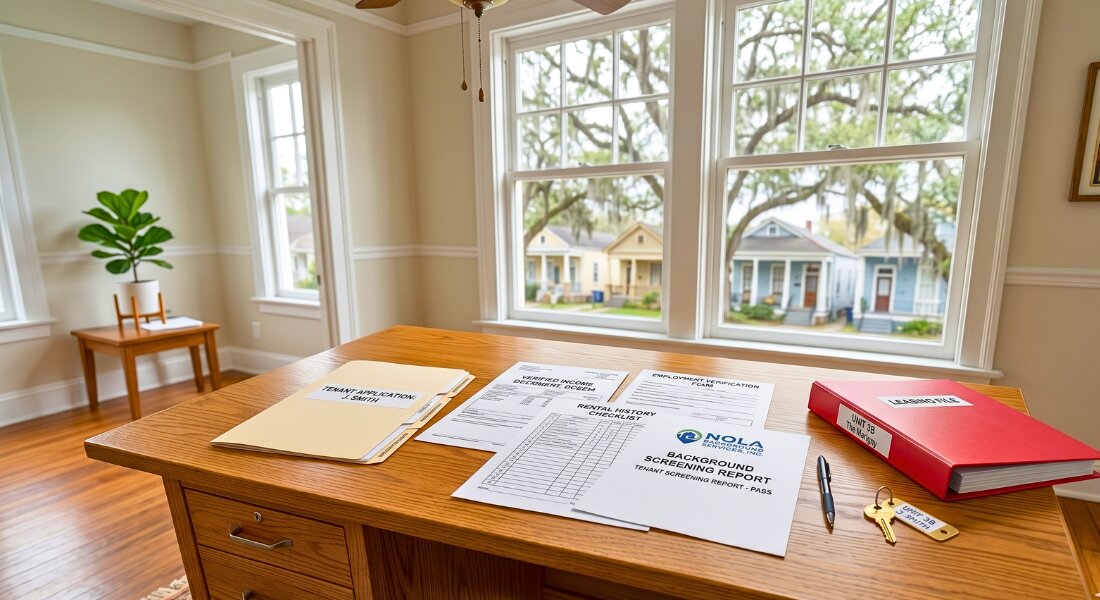
Selecting the right tenants is one of the most critical decisions a property owner can make. A thorough tenant screening process protects your investment, reduces vacancy rates, and minimizes costly disputes down the line. Best practices for managing rental properties require you to balance legal compliance with practical risk assessment, whether you manage them independently or work with a professional management company in New Orleans. Understanding current screening standards will help you make confident decisions that benefit both your rental business and your community.
Verify Income and Employment History
Income verification remains the foundation of sound tenant screening. Most landlords require proof that a prospective tenant earns at least 2.5 to 3 times the monthly rent. Request recent pay stubs, tax returns, and written verification from employers. For self-employed applicants, ask for two years of tax returns and bank statements to establish consistent income patterns. Don’t skip this step based on a good first impression. Documentation protects you from tenants who cannot realistically afford rent, which leads to late payments and eventual eviction.
When evaluating employment history, look for stability and growth. Frequent job changes may indicate employment challenges, but also consider industry norms and career advancement. Contact previous employers when possible to confirm dates of employment and job titles. This verification step catches discrepancies in applications and gives you confidence that the income claim is legitimate.
Review Credit and Rental History Thoroughly
A credit check reveals financial responsibility and payment patterns. Review not just credit scores, but the underlying report for late payments, collections, and outstanding debts. A single late payment matters less than a pattern of delinquency. Look for recent negative marks versus old history, as financial circumstances change over time.
Rental history is equally important. Contact previous landlords to ask about on-time payments, property condition, and reasons for moving. Ask specific questions about lease violations, noise complaints, or maintenance issues. Former landlords often provide candid feedback that reveals problems a credit report might miss. Pay special attention to the most recent rental history, as it best predicts future behavior.
Conduct Background Checks and Follow Fair Housing Laws
Criminal background checks help protect your property and other tenants. However, fair housing laws restrict how you can use this information. According to HUD guidelines, you cannot automatically reject applicants based on arrest records, but you may consider convictions relevant to property safety or tenancy. Consult local fair housing regulations for Louisiana, as state and local laws may impose additional restrictions.
Apply your screening criteria consistently to all applicants. Document your decision-making process and the specific reasons for approval or denial. This consistency protects you legally and ensures fairness. If you work with a property management company, they should follow these practices systematically and provide transparent reporting on screening decisions.
Have questions about property management services across greater New Orleans, Louisiana? Reach out to us today and we’ll be happy to help you every step of the way.