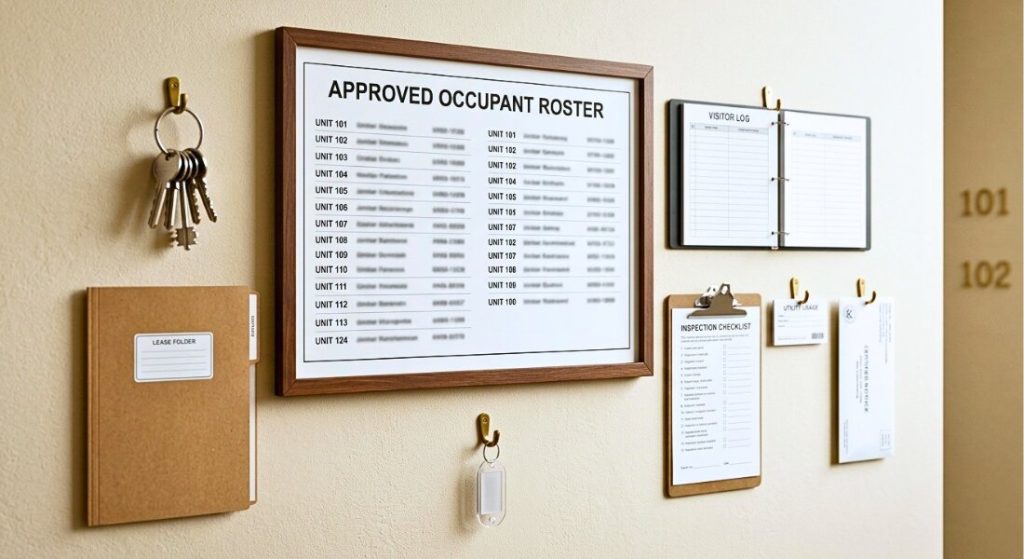

A tenant moves out, and you discover a large hole in the drywall, stained carpet, or broken furniture. Deciding whether to deduct from the security deposit is the hard part. Justifying that deduction when a tenant disputes it is harder still. Furniture damage claims sit in a gray zone that trips up many landlords across greater New Orleans. Understanding the difference between normal wear and actual damage is essential to protecting your deposit and rental income. This guide covers the rules, documentation practices, and strategies that professional property managers use to handle these disputes fairly and defensively.
The Legal Line Between Wear and Damage
Louisiana law allows landlords to deduct from security deposits for damage beyond normal wear and tear. The burden falls on you to prove it. A faded paint color or scuffed trim from normal use is not deductible. A hole punched through drywall or a large tear in upholstery is.
The key question is whether a reasonable tenant could have caused this through ordinary occupancy. A broken furniture leg from someone sitting normally belongs in the wear category. A leg snapped off from abuse or impact belongs in the damage category. Courts in Louisiana expect landlords to apply this standard consistently. Inconsistency weakens your position if a case goes to small claims court.
Keep in mind that furniture included with the rental will deteriorate over time. A sofa that is five years old will look different after three years of tenant occupancy. Deducting for normal aging is a quick way to lose a dispute.
Documentation That Protects Your Claim
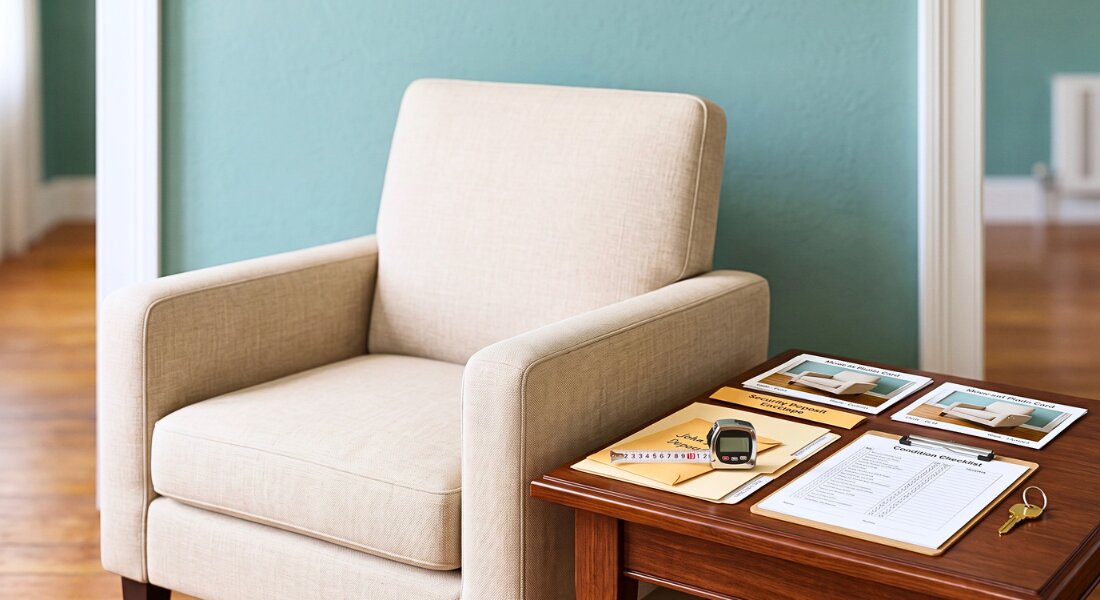
Your move-in photos are your first line of defense. Take clear, timestamped images of every room and every piece of furniture before the tenant arrives. Photograph sofas, chairs, beds, and tables from multiple angles. Close-ups of existing stains, worn spots, or minor damage prove what was already there.
When a tenant moves out, document the damage the same way. Take photos and video from the same angles so comparison is obvious. Include measurements if the damage is significant. Write down the date, time, and condition notes while the space is fresh in your mind.
Get a written estimate from a repair or replacement vendor when the damage claim exceeds a small amount. A contractor’s quote showing the cost to fix a specific item carries weight in a dispute. If you repair instead of replace, save the receipt and before-and-after photos to support the deduction.
Handling Disputes and Documentation Requirements
When you deduct from a security deposit in Louisiana, you must provide the tenant with an itemized list and supporting documentation within the timeframe required by state law. Vague language like “furniture damage, $300” will not hold up if challenged. Be specific: “Replacement of sofa damaged by large burn mark (6-inch diameter) and torn seam, vendor quote attached.”
If a tenant disputes your claim, having photos, estimates, and receipts shows you acted professionally and in good faith. Even if you believe you are right, a tenant can file in small claims court. Judges favor landlords with clear evidence over those relying on assumptions. According to guidance from the National Association of Realtors, documentation disputes are among the most common deposit-related conflicts. Proper records resolve them quickly.
For properties in the Metairie and New Orleans area, staying consistent with your standards across all tenants also matters. If you deduct for minor damage from one tenant but overlook similar damage from another, you weaken your defensibility.
Have questions about property management services across greater New Orleans, Louisiana? Reach out to us today and we’ll be happy to help you every step of the way.