
When a pipe bursts in your rental home or a storm damages the roof, the clock starts ticking. Your insurance company will need proof of what happened and how much it will cost to fix. Poor documentation can mean denied claims or settlements far below the actual damage. Property owners who work with a professional property management team often have a clearer path through this process, but knowing how to document damage yourself is essential either way.
Take Photos and Video Before Anything Moves
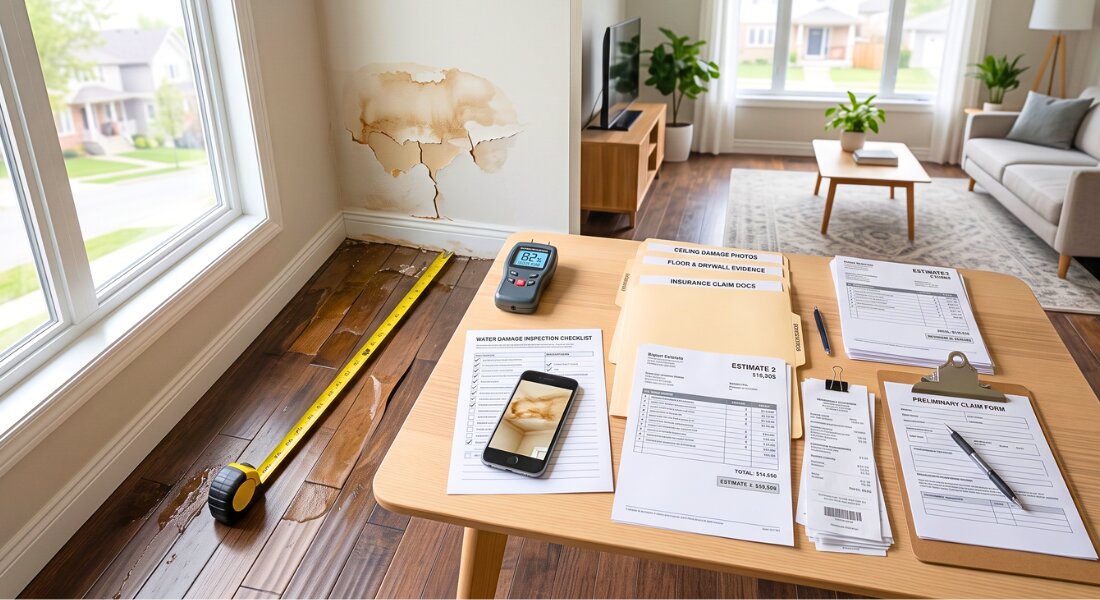
The first step is to capture the damage while it is still in its original state. Use your smartphone or camera to take wide shots that show the overall scope, then move closer for detail photos of specific damage. Photograph wet drywall, broken pipes, structural cracks, or any visible destruction from multiple angles.
Video is equally valuable. Walk through the affected areas slowly, narrating what you see as you film. This creates a time-stamped record that proves the condition at that exact moment. Make sure the timestamp on your device is accurate, or note the date and time in your narration.
Do not clean up, move debris, or make temporary repairs before documenting everything. Even if something seems minor, photograph it. Insurance adjusters often spot damage that homeowners miss.
Create a Written Inventory with Dates and Details
Write down every damaged item or area. Include the date the damage occurred, when you discovered it, and your best estimate of how old the damaged property was. For example, note whether the carpet was brand new or ten years old. Insurance companies factor depreciation into settlement amounts, so this detail matters.
List repair estimates from licensed contractors. Get at least two quotes so your claim has credible pricing. Keep all receipts and invoices. Document any emergency repairs you made to prevent further damage, such as boarding up windows or hiring a water mitigation company. These costs are typically covered under your policy.
About the Author: Billy Borrouso is a licensed real estate broker, Certified Residential Specialist (CRS), and licensed contractor with over 20 years of experience in the Greater New Orleans area. As the founder of Redfish Property Management, Billy brings a rare combination of real estate expertise and construction knowledge to landlords and tenants across Metairie, New Orleans, and the Northshore. He is a NOMAR Gold Award recipient and is committed to making property ownership stress-free for landlords while maintaining quality homes for tenants.
Organize and Submit Your Claim Package
Compile all documentation into one organized file. Include the photos, videos, written inventory, contractor quotes, receipts, and a summary letter explaining what happened and when. Label each photo or document so the adjuster can follow your narrative.
Contact your insurance agent immediately after discovering damage. They will guide you through their specific claim process and may send an adjuster to inspect the property. Provide all your documentation at that time. Keep copies of everything you submit.
During the adjuster’s visit, point out all damage, including items you documented but the adjuster might overlook. Ask questions if they dismiss something you believe should be covered. You have the right to dispute a settlement offer if you believe it is too low.
Proper documentation makes the difference between a claim that gets paid quickly and one that stalls or gets denied. When you own rental property in the greater New Orleans area, having professional guidance through damage claims and repairs is valuable. Our team at Redfish can coordinate with contractors and help track maintenance issues before they become insurance claims. Request a free rental analysis to see how we support property owners through every challenge.
For more information on insurance and property protection, review guidelines from the Insurance Information Institute, which offers detailed resources on homeowners coverage and claims.
Have questions about property management services across greater New Orleans, Louisiana? Reach out to us today and we’ll be happy to help you every step of the way.