
Louisiana landlords face a unique legal landscape that differs significantly from other states. Skip the wrong compliance step, and you could face fines, lost rent, or even lawsuits. Whether you manage one property or several across New Orleans and Old Metairie, staying current with state and local landlord-tenant law isn’t optional. Our property management services keep compliance built into every process, but here’s what every landlord needs to know.
Required Disclosures and Documentation
Louisiana requires landlords to provide tenants with specific written disclosures before or at lease signing. These include information about lead-based paint hazards if the property was built before 1978, mold conditions, and any known defects. The state also mandates that landlords disclose whether the property is in a flood zone. Landlords must also disclose what insurance protections exist.
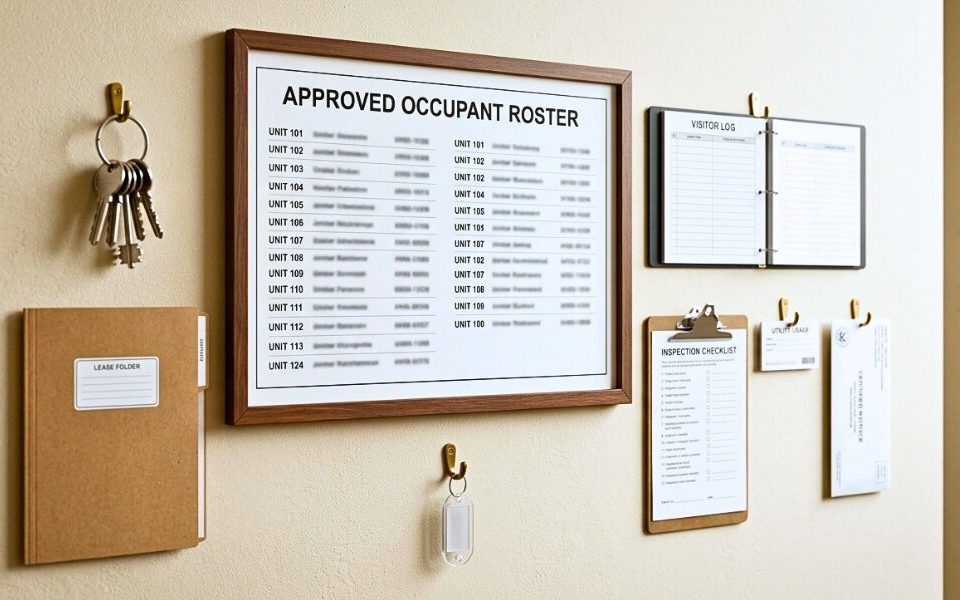
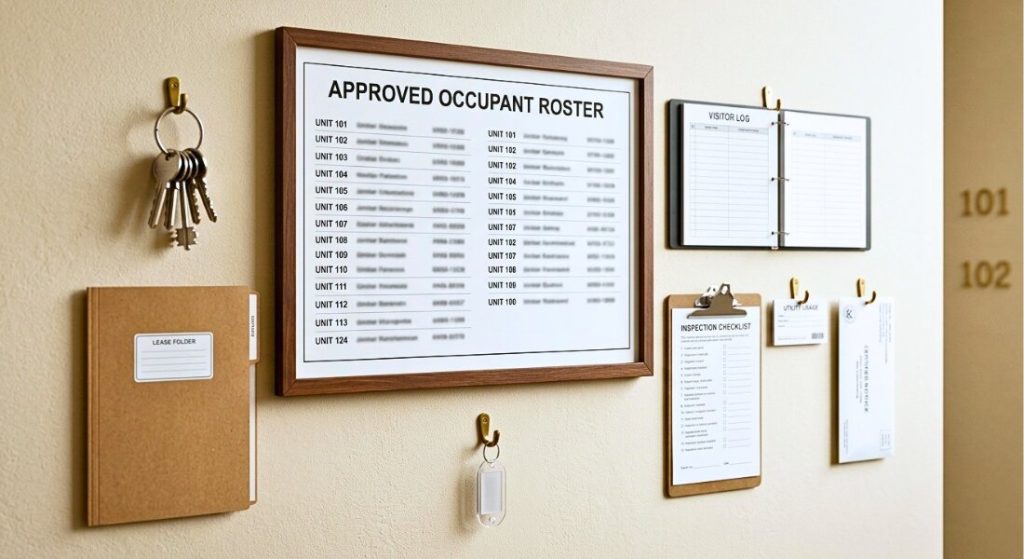
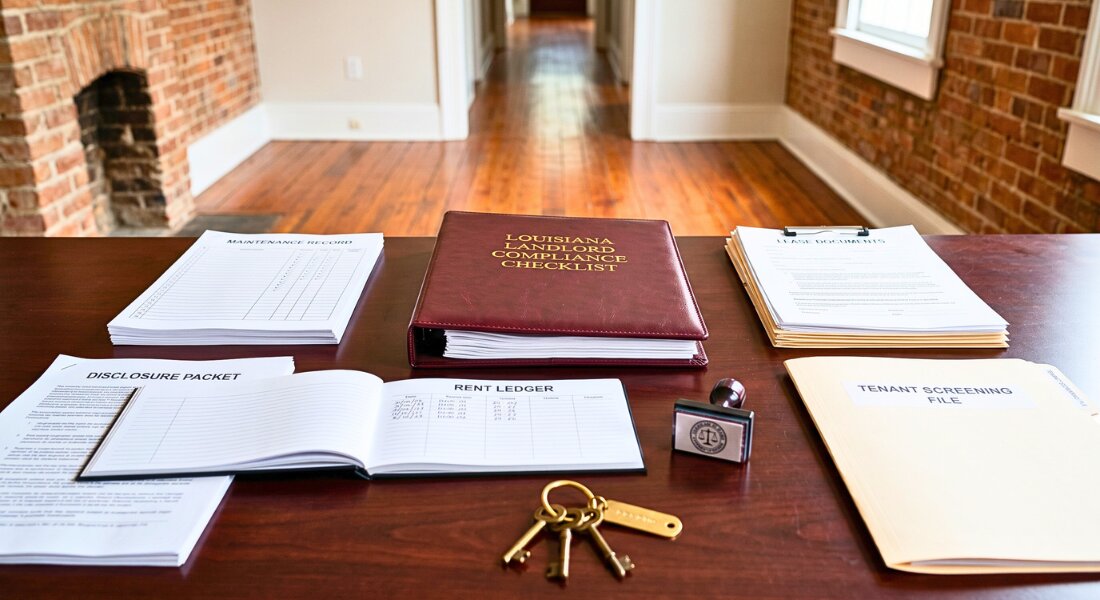
Keep copies of every signed disclosure. Many landlords assume verbal notice counts, but written, dated acknowledgment protects you both legally and practically. Failing to provide required disclosures gives tenants grounds to break a lease without penalty. It can also open the door to damage claims.
Your lease agreement must comply with Louisiana Civil Code Article 2680 and related statutes. Certain clauses are unenforceable or illegal, including provisions that waive a tenant’s right to habitability. Charging tenants for normal wear and tear is also prohibited. Working with a lease template reviewed for Louisiana compliance saves significant headaches later.
Habitability Standards and Maintenance
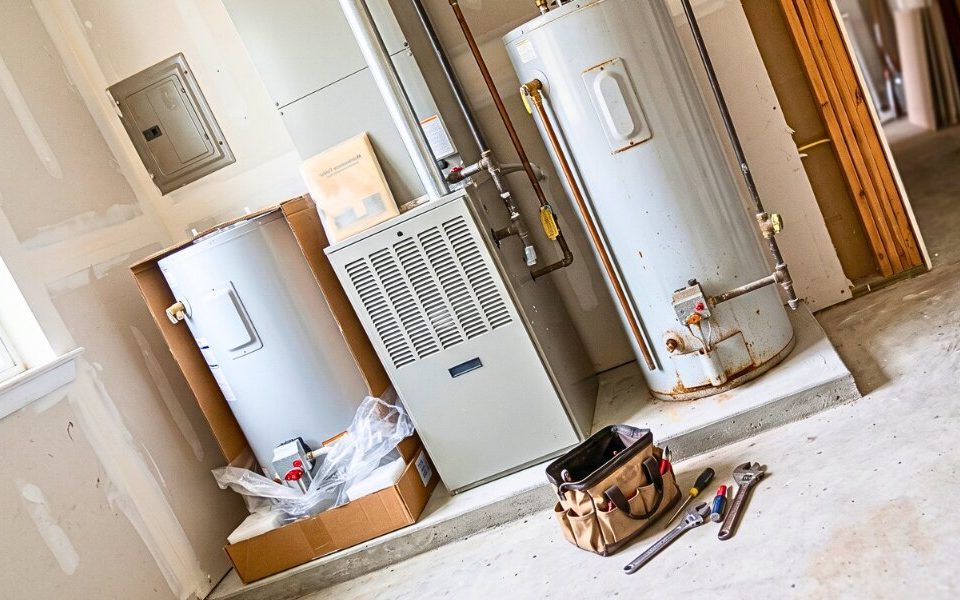
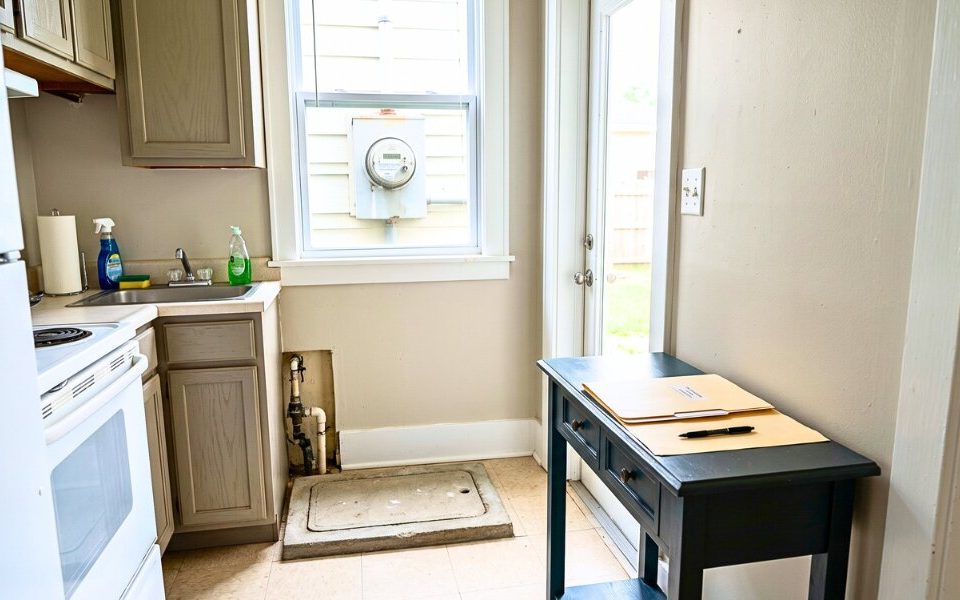
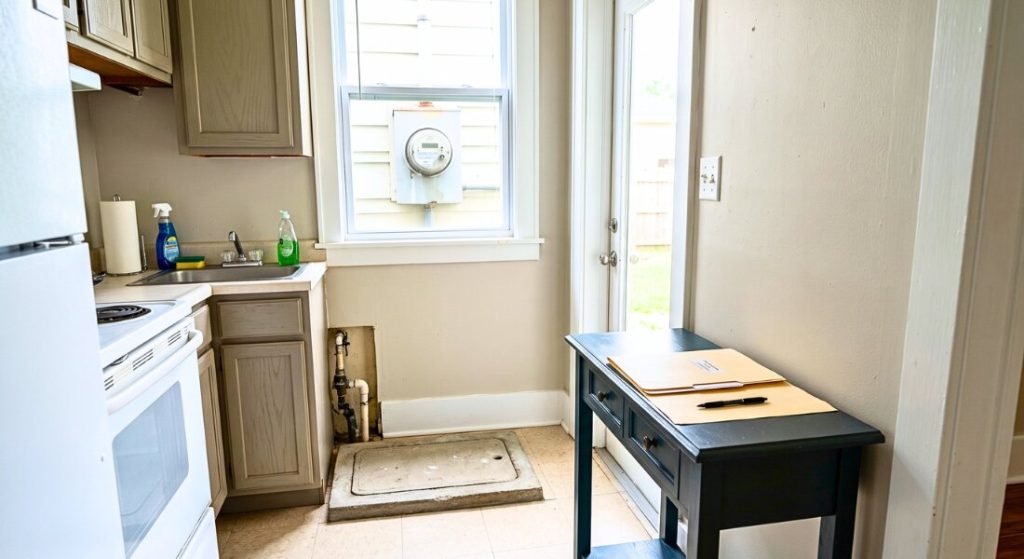
Louisiana law requires rental properties to meet basic habitability standards. The unit must have functioning plumbing, safe electrical systems, adequate heating, and protection from the elements. Paint must be lead-free if the home was built before 1978. Roofs cannot leak, and appliances that came with the unit must work.
The key word here is basic. You don’t have to upgrade a kitchen or install new carpeting, but you must maintain what exists and ensure the home is safe. When a tenant reports a maintenance issue, respond promptly and document everything. Keep records of repair requests, dates, and what was fixed. A thorough paper trail protects you if a dispute ever arises.
Louisiana also has specific rules about habitability and rent withholding. If you fail to maintain the property, tenants may have legal grounds to withhold rent or repair-and-deduct. Understanding these rules and staying ahead of maintenance through professional coordination prevents costly legal battles.
Eviction Procedures and Tenant Rights
Louisiana has strict eviction rules that landlords must follow carefully. You cannot simply lock a tenant out or remove their belongings. All evictions must go through the court system, and proper written notice is required before filing. For non-payment of rent, tenants generally get five days to pay before you can file. For lease violations, the notice period depends on the violation type.
The eviction process takes considerable time and must be handled in proper order. You must file the right paperwork, attend a hearing, and obtain a judgment before the sheriff can remove someone. Rushing this process or skipping steps wastes money and delays resolution. A single procedural error can get your case dismissed entirely.
For detailed information on Louisiana’s eviction law, consult the City of New Orleans Housing Authority or speak with an attorney familiar with local practice. Every property has unique circumstances, and professional guidance matters.
Compliance isn’t a one-time checklist. Laws change, and property-specific situations arise. Staying informed and documenting everything protects your investment and keeps your rental business sustainable. Have questions about property management services across greater New Orleans, Louisiana? Reach out to us today and we’ll be happy to help you every step of the way.