

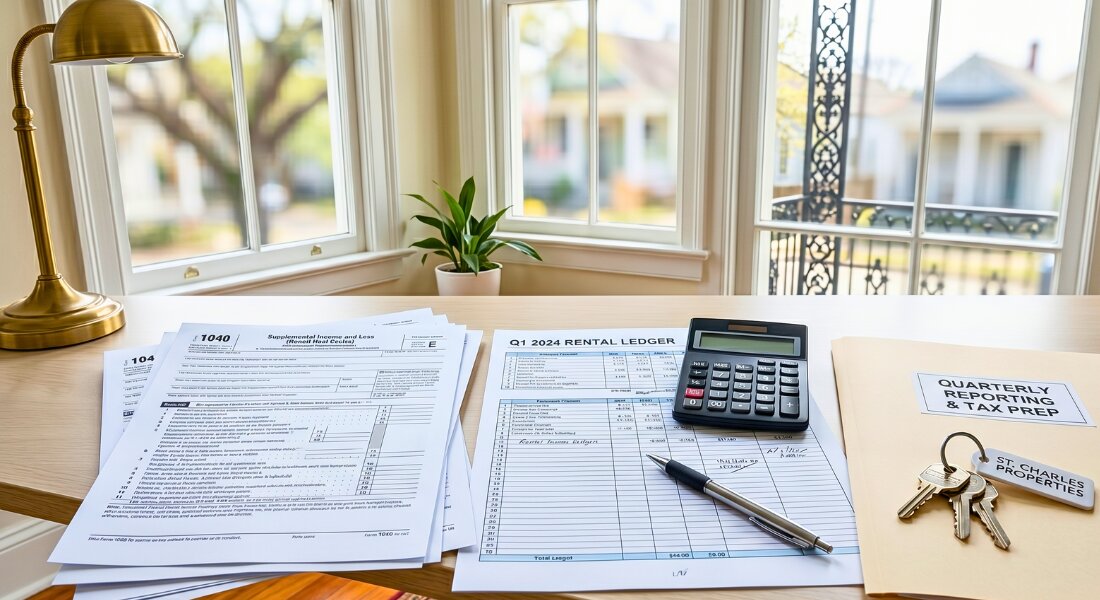
As a landlord, you should be turning your attention to tax planning for your rental properties. Whether you own a single property or manage multiple units in New Orleans and Old Metairie, understanding which expenses qualify for deductions can significantly reduce your tax liability. If you’re using a professional property management company, you’ll have detailed records to support your deductions, but it’s crucial to know what qualifies before tax season arrives.
Documenting Maintenance and Repair Expenses
The IRS distinguishes between repairs and capital improvements, and this distinction directly affects your deductions. Repairs that keep your property in good working condition are fully deductible in the year they occur, while improvements that add value or extend the property’s life must be depreciated over time. Replacing a broken water heater is a repair. Installing a new HVAC system is likely an improvement. In Louisiana’s humid climate, mold remediation, window repairs, and roof maintenance are common deductible expenses that property owners often overlook. Keep receipts and invoices for all work performed on your rental properties, including labor and materials. Property managers maintain detailed maintenance logs that serve as documentation should the IRS ever question your deductions.
Maximizing Other Deductible Categories
Management Fees and Professional Services
If you’re paying for property management services, tenant screening, or accounting assistance, these fees are entirely deductible. Many landlords don’t realize they can also deduct legal fees related to evictions or lease disputes, insurance premiums for rental properties, property taxes, and HOA dues where applicable.
Utilities and Operating Costs
Depending on your lease structure, utilities paid by the landlord are deductible. Advertising costs for finding tenants, office supplies used for rental business management, and even vehicle mileage for property inspections or maintenance coordination count toward your deductions. The IRS allows a standard mileage rate, which changes annually.
Organizing Your Records for Tax Preparation
Now is an ideal time to review your expenses and organize them by category before tax season peaks. If you’ve been spotty with documentation, this is when you can still gather missing receipts or invoices. The IRS Publication 527 provides detailed guidance on rental property deductions and is worth reviewing before you file. Start a dedicated folder or digital system for each expense category going forward. If property management hasn’t been part of your strategy, the professional documentation they provide creates a clear audit trail that protects you if questions ever arise. Consider consulting with a tax professional who understands Louisiana rental property regulations to ensure you’re not leaving deductions on the table. Every dollar properly documented is a dollar that reduces your tax burden, and in a market like greater New Orleans, those savings add up quickly across multiple properties.
Have questions about buying or selling? Reach out to us today and we’ll be happy to help you every step of the way.