
A tenant plays loud music at midnight, a neighbor files a complaint, and you receive an angry email. Noise violations are among the most common lease breaches property owners face. Yet many landlords aren’t sure how to respond without creating legal liability. When handled poorly, noise complaints escalate quickly into confrontation, eviction, or counterclaims. The right approach combines documentation, communication, and clear lease language. Our guide at Redfish Property Management walks you through each step.
Document Everything Before Taking Action
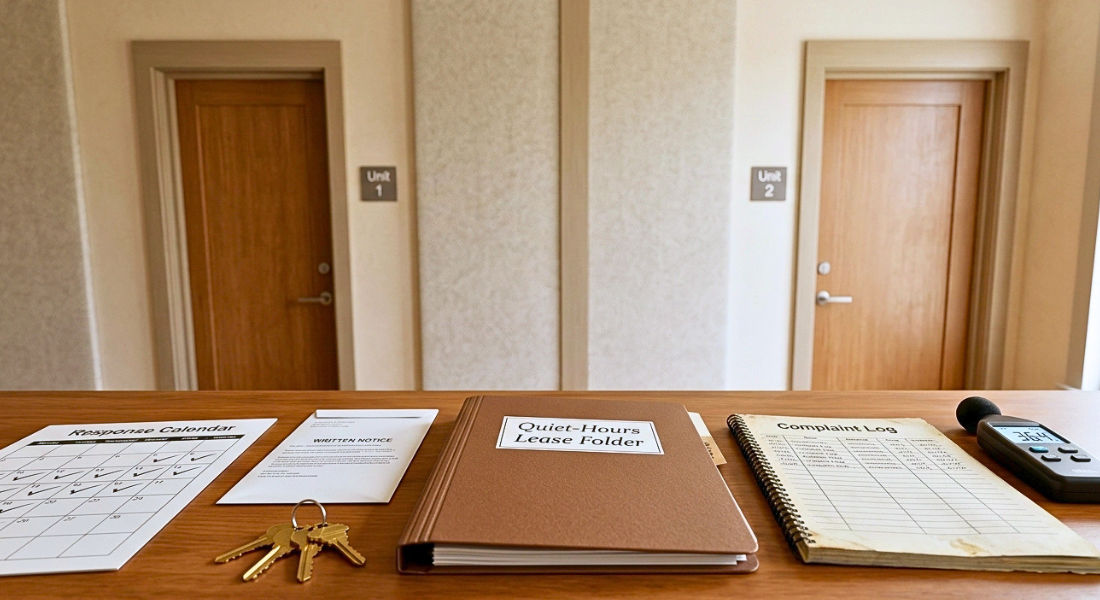
The moment you receive a noise complaint, your job is to gather facts, not assumptions. Ask the complaining party for specific dates, times, and a description of the noise. Was it music, voices, or something else? How long did it last? What was the decibel level, if they can estimate? Request written complaints whenever possible.
Next, review your lease agreement to confirm whether it addresses quiet hours or prohibits nuisances. Many standard leases contain broad noise clauses that lack enforceability because they are too vague. Louisiana courts expect lease violations to be clear and specific. If your lease simply says “no excessive noise,” a judge may side with the tenant. Courts often find terms like “excessive” too subjective to enforce.
Visit the property yourself during the reported time of day or night and listen. Speak with other tenants if applicable. Take photographs or video if there is visible evidence of a disturbance. That documentation becomes crucial if the tenant contests the violation or you pursue eviction later.
About the Author: Billy Borrouso is a licensed real estate broker, Certified Residential Specialist (CRS), and licensed contractor with over 20 years of experience in the Greater New Orleans area. As the founder of Redfish Property Management, Billy brings a rare combination of real estate expertise and construction knowledge to landlords and tenants across Metairie, New Orleans, and the Northshore. He is a NOMAR Gold Award recipient and is committed to making property ownership stress-free for landlords while maintaining quality homes for tenants.
Issue a Written Notice and Give the Tenant a Chance to Cure
Never address noise violations over the phone or through casual conversation. Send a formal written notice outlining the specific violation, the dates and times it occurred, and what behavior must stop. Be precise. Instead of “stop making noise,” write “loud music between 11 p.m. and 1 a.m. on [specific date].” Include the lease clause being violated.
Louisiana law requires you to give tenants a reasonable opportunity to cure most lease violations before pursuing eviction. For noise complaints, this cure period is typically three to five days. State clearly what the tenant must do to resolve the issue and what happens if the violation continues. Keep a copy of this notice for your records.
Know When to Escalate
If the tenant doesn’t cure the violation within the notice period, send a second notice referencing the first. Document any additional complaints from neighbors. At this stage, consider consulting a local attorney familiar with New Orleans and Louisiana rental law before proceeding to eviction.
Some noise violations justify faster action than others. If a tenant runs a loud business from the unit, consult legal counsel immediately. Eviction is expensive and time-consuming, so most property managers try to resolve complaints through written notice first. Repeat offenders who ignore warnings may eventually leave you no choice. When you need experienced help managing these conflicts, professional property management services ensure compliance with local law and protect your investment.
Have questions about property management services across greater New Orleans, Louisiana? Reach out to us today and we’ll be happy to help you every step of the way.