
Many property owners in the Greater New Orleans area assume their lease agreement and common sense are enough to protect them legally. Louisiana rental laws are detailed and specific, and violating even one provision can cost you thousands in fines, lost rent, or legal fees. Understanding what the law actually requires is the first step toward protecting your investment. Whether you manage your property yourself or work with a professional property management company, knowing these rules keeps you out of trouble.
Disclosure and Move-In Requirements
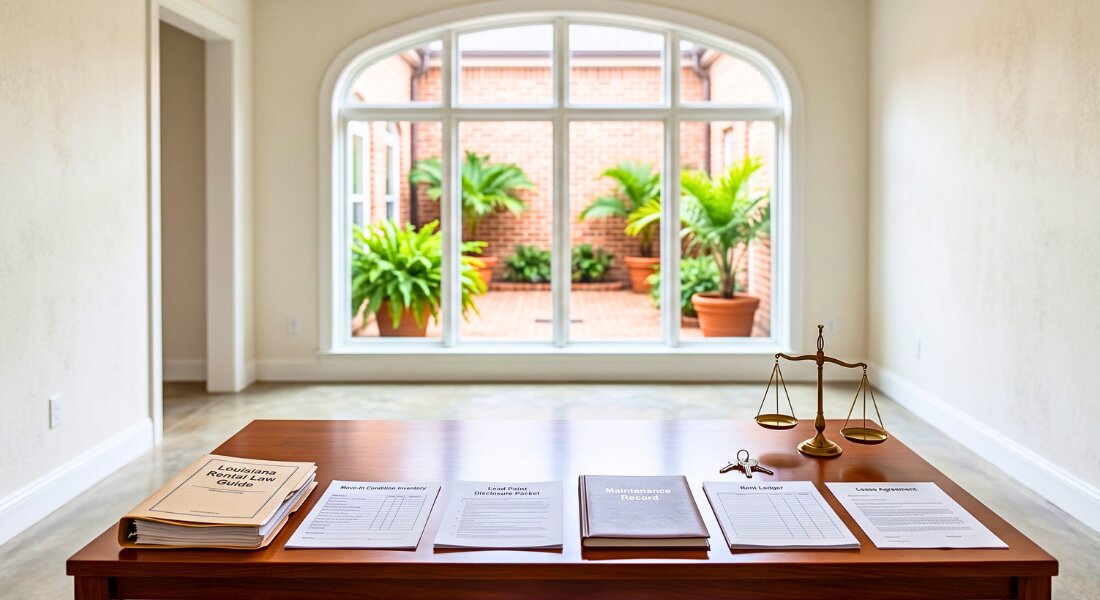
Louisiana law requires landlords to disclose certain information before a tenant moves in. You must provide a written inventory of the property’s condition, including any existing damage or wear. This inventory creates a clear baseline that protects both you and the tenant. Without it, tenants can claim pre-existing damage occurred during their tenancy, and you’ll have no documentation to dispute the claim.
You must also disclose the presence of lead-based paint if the property was built before 1978. Federal law requires this disclosure and a 10-day inspection period before the lease becomes binding. Failure to provide proper lead disclosure can result in substantial penalties.
Additionally, you’re required to disclose any previous flooding, mold, or structural issues the property has experienced. This transparency builds trust with tenants and shields you from liability if problems arise later.
Maintenance, Safety, and Habitability Standards
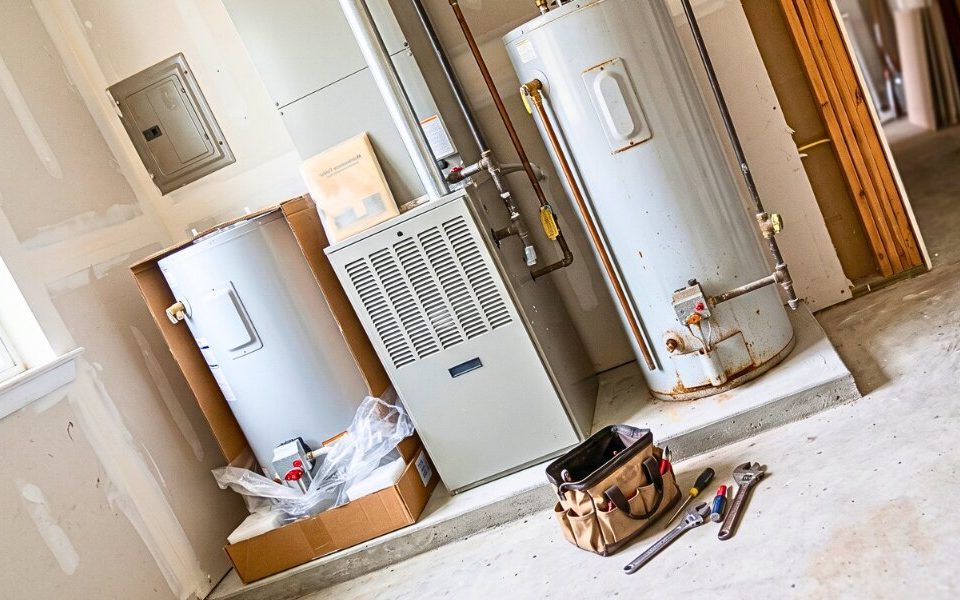
Louisiana law imposes a “warranty of habitability” on all rental properties. Under this warranty, the property must be safe, sanitary, and fit for living. The law is clear about what qualifies: working plumbing and electricity, functioning heating systems, weatherproofing, adequate locks, and freedom from pest infestations and mold.
You cannot charge tenants for repairs related to normal wear and tear or code violations. If your unit doesn’t meet habitability standards, a tenant can legally withhold rent or repair the issue and deduct costs. In some cases, the tenant may break the lease without penalty. Maintenance coordination is one of the best ways to stay ahead of these issues. For guidance on managing these responsibilities, get a free rental analysis to see how professional management can protect your property standards.
Eviction and Tenant Rights
Eviction in Louisiana follows a specific legal process, and skipping steps voids your case. You must provide written notice, typically 5 to 10 days depending on the reason for eviction. Notice must be delivered according to the terms in your lease. After the notice period expires, you file for eviction in district court, not small claims court.
Tenants have the right to appear in court and present a defense. Common valid defenses include uninhabitable conditions, rent receipt errors, or improper notice. Courts take these seriously, so thorough documentation matters throughout the process. Keep records of all notices, rent payments, maintenance requests, and repair work.
You cannot evict a tenant for exercising legal rights, such as requesting repairs or reporting code violations. Retaliatory eviction is illegal under Louisiana law and can expose you to damages and attorney fees.
For detailed state requirements, consult the Louisiana Judicial System website or speak with a local attorney familiar with rental law in your area.
Have questions about property management services across greater New Orleans, Louisiana? Reach out to us today and we’ll be happy to help you every step of the way.