
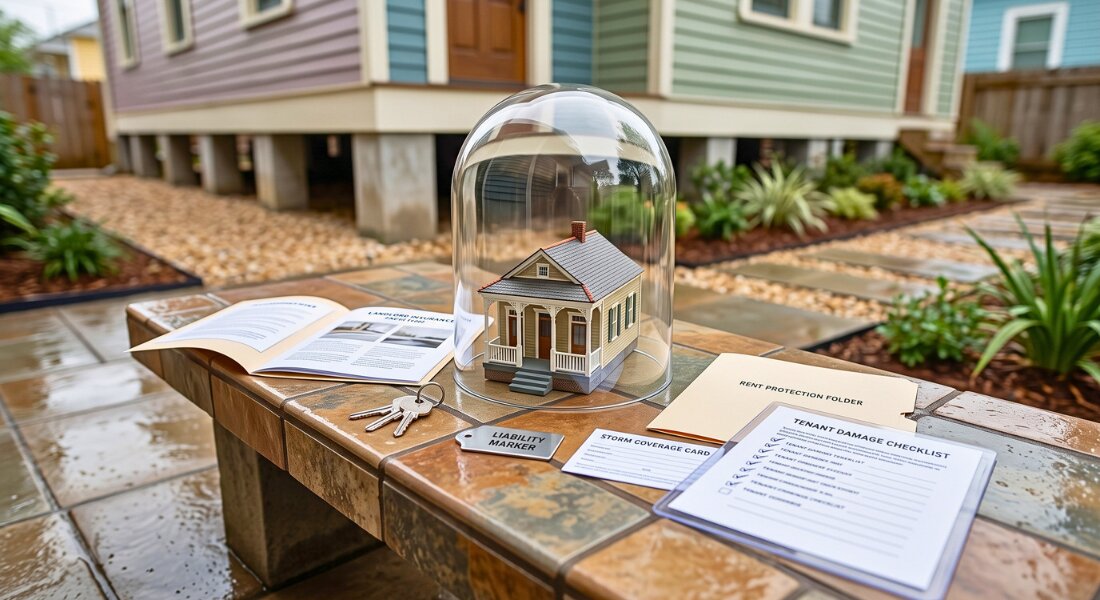
Many landlords focus heavily on tenant screening and maintenance coordination but overlook proper insurance coverage. Your homeowner’s or standard property insurance typically does not cover rental income loss or liability claims from tenants. It also fails to cover damage caused by tenants themselves. The gap between what you think you’re covered for and what you actually are can cost thousands. Understanding insurance essentials for your rental property is as important as choosing the right property management company to protect your investment.
Landlord Insurance vs. Homeowner’s Insurance
Standard homeowner’s insurance is designed for owner-occupied properties. It covers the structure, personal belongings inside, and liability if someone is injured. Rental properties need different protection because someone else lives there and generates income for you.
Landlord insurance, also called rental property insurance, adds critical coverage specific to your situation. It protects the building structure and covers loss of rent if a tenant stops paying. It also applies when the property becomes uninhabitable due to a covered event. Liability coverage is included if a tenant or their guest is injured and sues you. Most insurers require landlord policies for any property you rent out. Some will cancel your homeowner’s policy if they discover you’re renting without switching coverage.
Key Coverage Areas to Understand
Building and Structure
This coverage applies to damage from fire, theft, weather, and other named perils. It does not cover damage caused by the tenant, which is why you need separate coverage.
Liability Protection
If a tenant or visitor is injured on your property and sues, liability coverage pays their medical bills and legal fees up to your policy limit. Louisiana premises liability cases can become expensive quickly, making this coverage essential.
Loss of Rent
If the property is damaged and becomes unlivable, this coverage replaces the rent you would have collected. Without it, you lose income while repairs happen.
Tenant Damage
Standard landlord policies do not cover damage caused by tenants. You may need an endorsement or separate coverage for this, or you can pursue the tenant’s security deposit. Thorough tenant screening matters alongside proper insurance for exactly this reason.
Insurance and Your Rental Strategy
The cost of landlord insurance varies by location, property type, and coverage limits. In the greater New Orleans area, climate-related risks such as flooding and wind damage affect rates significantly. Ask your insurance agent about discounts for safety features like working locks, fire extinguishers, and updated electrical systems. Some carriers offer discounts if you use a professional property management company, since that reduces certain risks.
Review your policy annually as your property value increases or rental rates rise. Your coverage limits should increase alongside those changes. Louisiana’s Board of Realtors provides resources on insurance requirements by state and property type. These resources can help you understand baseline expectations for your area.
Protecting your rental investment means more than finding reliable tenants and maintaining the property. Knowing exactly what happens if disaster strikes is equally important. Take time to review your current coverage and talk to an insurance agent who handles rental properties. Make sure you have the right protection in place.
Have questions about property management services across greater New Orleans, Louisiana? Reach out to us today and we’ll be happy to help you every step of the way.