
Many landlords assume accessibility requirements only apply to large apartment complexes or commercial buildings. In reality, federal law requires most residential rental properties to meet accessibility standards, regardless of size. As a property management company serving New Orleans and Old Metairie, we see property owners face confusion and costly compliance issues because they didn’t understand these obligations from the start. Understanding what the law requires protects you from liability and creates rental properties that work for a wider pool of tenants.
The Fair Housing Act and Accessibility Requirements
The Fair Housing Act, enforced by the U.S. Department of Housing and Urban Development (HUD), prohibits discrimination based on disability. Rental properties built after March 13, 1991 must comply with accessibility standards as a result. For older buildings, the law requires reasonable modifications and accommodations upon tenant request.
What does this mean in practice? Common requirements include accessible entrances, hallways wide enough for wheelchairs, and accessible bathrooms and kitchens. Lever-style door handles are also required in place of knobs. HUD provides detailed guidance on these standards, and violations can result in fines, lawsuits, and forced renovations. Those penalties cost far more than proactive compliance ever would.
Reasonable Accommodations and Modifications
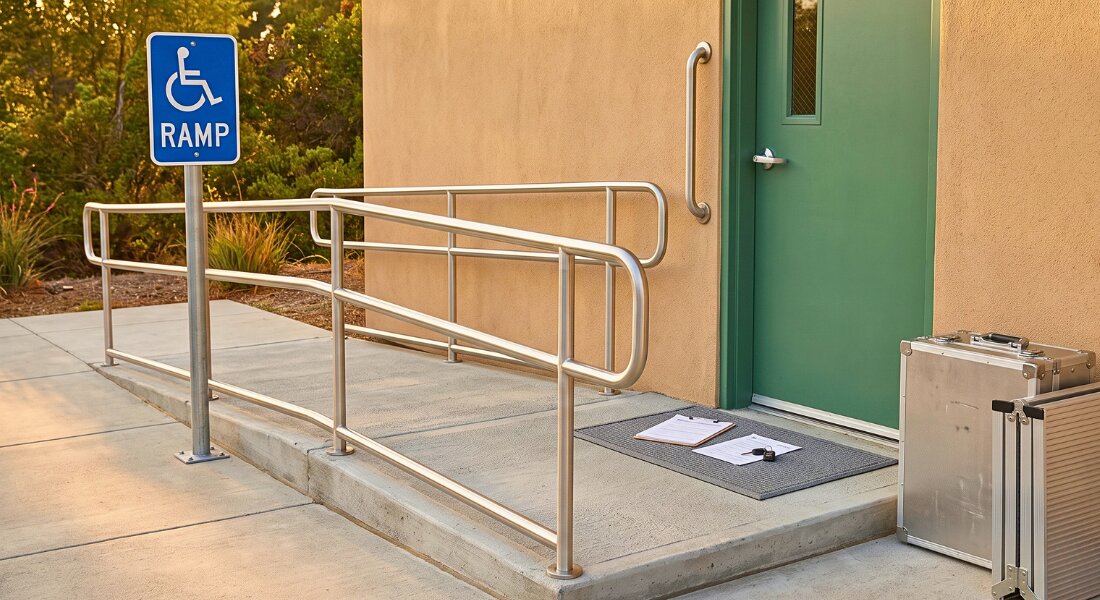
Even if your property wasn’t built to accessibility standards, tenants with disabilities have the right to request reasonable modifications or accommodations. A tenant might ask for a ramp installation, a grab bar in the bathroom, or reserved accessible parking. You are legally required to consider these requests and approve them unless they pose an undue financial burden on your business.
Managing Compliance Across Your Portfolio
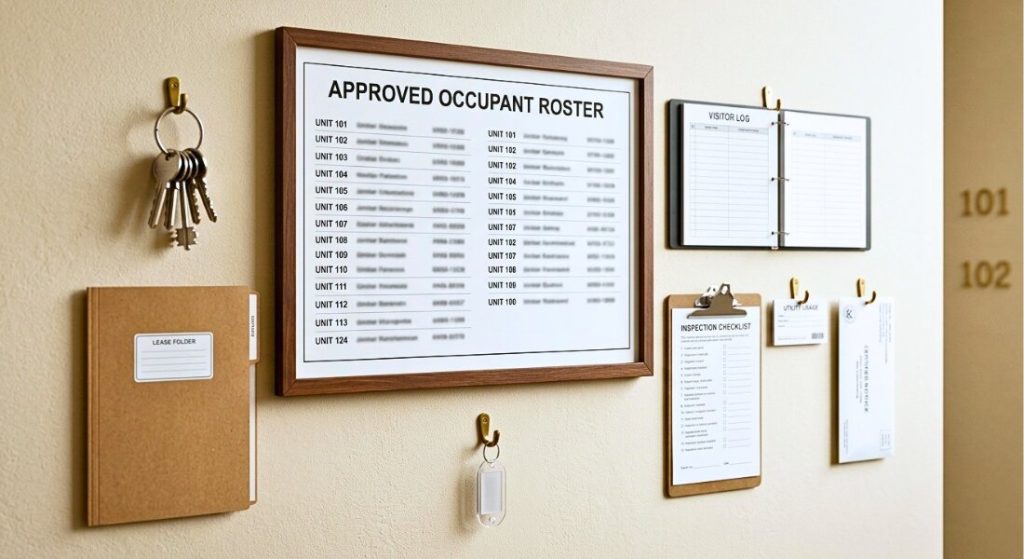
Tracking accessibility compliance becomes complex when you own multiple properties or manage them yourself. Different units may have different requirements based on their age, size, and existing conditions. Tenants may request modifications at different times. Missing a request or failing to document your response creates exposure to legal claims.
Professional property management helps address this directly. A dedicated property management team maintains records of all tenant requests and coordinates with contractors for necessary modifications. That team also ensures compliance across your entire portfolio. When you work with a property management company that handles leasing and tenant relations, you reduce the risk of overlooking accessibility obligations while focusing on your property’s financial performance.
Accessibility compliance is not a burden to resent. Properties that meet accessibility standards attract a broader tenant base and often command stable rents. They also reduce your legal risk and give you confidence that your rental business operates within the law.
Have questions about property management services across greater New Orleans, Louisiana? Reach out to us today and we’ll be happy to help you every step of the way.