
Depreciation is one of the most powerful tax tools available to rental property owners, yet many New Orleans landlords overlook it or misunderstand how it works. If you own rental property in our area, you likely know the building loses value over time. What you may not know is that the IRS allows you to deduct this decline on your tax return. Understanding depreciation can significantly reduce your tax burden and improve your overall investment returns. At Redfish Property Management, we help owners maximize their rental property management strategies, and that includes understanding the financial tools available to you.
What Is Depreciation and How Does It Apply to Rental Properties?
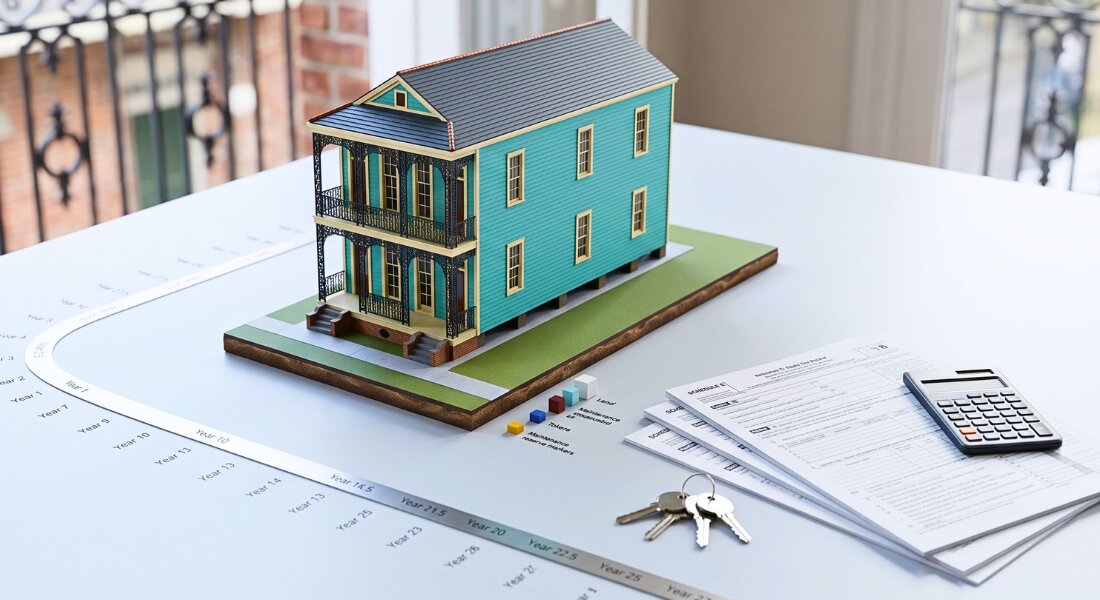
Depreciation is a non-cash deduction that reflects the wear and tear on your rental building over time. The IRS recognizes that buildings deteriorate, so it allows owners to deduct this deterioration from their taxable income. For residential rental properties, the standard depreciation period is 27.5 years. Divide the cost of your building, not the land, by 27.5 to find your annual depreciation deduction.
Land doesn’t depreciate according to tax law, but the structure does. When you purchase a rental property, you must allocate the purchase price between the building and the land. A qualified appraiser or tax professional can help you determine this split accurately. Once you know the building value, you can claim your depreciation deduction each year on Schedule E of your tax return.
Why Depreciation Matters for Your Bottom Line
Depreciation reduces your taxable income without requiring you to spend any money. You might collect rent that covers your mortgage, insurance, and maintenance costs, yet still show a paper loss due to depreciation. That paper loss can offset other income sources, lowering your overall tax liability. For many New Orleans property owners, this creates a meaningful advantage in cash flow management.
Consider a practical example involving a duplex in Old Metairie worth $250,000, with $200,000 attributed to the building. Your annual depreciation deduction would be approximately $7,273. If you’re in a 24 percent tax bracket, that deduction saves you about $1,745 in taxes each year. Over a decade, those savings can be reinvested into property maintenance or additional investments.
Understanding Depreciation Recapture
One important caveat exists: depreciation recapture. When you sell your rental property, the IRS requires you to pay tax on all depreciation claimed during your ownership period. This tax is assessed at a rate of 25 percent on the total depreciation deductions you took. If you depreciated $72,730 over ten years, you would owe 25 percent of that amount, or $18,182.50, as recapture tax when you sell.
Depreciation is still a sound strategy, despite the recapture obligation. The tax savings you enjoy during your ownership period typically exceed the recapture cost, especially if you hold the property for many years. Planning ahead is essential, so consult a tax professional or accountant familiar with real estate before claiming depreciation. For more guidance on managing your rental investment, visit our free rental analysis page to discuss your situation with our team. The IRS has published detailed guidance on residential rental property depreciation that provides additional clarity on rules and requirements.
Getting Professional Help With Your Depreciation Strategy
Depreciation calculations require accuracy, and a mistake on your tax return can trigger an audit or result in penalties. Many owners benefit from consulting a CPA or tax attorney who specializes in real estate. These professionals can ensure your depreciation schedule is correct and help you plan for recapture taxes down the road. They’ll also identify other deductions you might be missing, from repairs and maintenance to property management fees.
Have questions about property management services across greater New Orleans, Louisiana? Reach out to us today and we’ll be happy to help you every step of the way.